
Education
Specifically catering to each stage of a child’s learning level across the Institutions ensuring quality education in the states we work.
Complementing the learning curve of children
Our education interventions are based on several baseline studies conducted, which showed lack of quality of teaching which prevented children from acquiring specific learning skills. Our aim is to bring about change by providing them the chance to learn in a creative and practical space.
We practice our “train-the teacher” model where teachers are provided with intensive training on how to involve children in the learning process. Many of the activities in our programmes are conducted with locally sourced materials.
The Education interventions focus on programmes – Strengthening Foundational Literacy & Numeracy, Learning Improvement Programme (LIP), STEM, Academic inputs in Girls Hostels & Residential Schools, School & Community Library, Proficiency in English (PIE), Kanya Sampoorna (focus on girl child development), Career Guidance, Life Skill Education, etc.

Our progress.
Since we started the education intervention,
0+
Students have improved in learning levels
- NALI KALI
- LIP
- ICT
- PIE
- LIBRARY
- KANYA SAMPOORNA

Nali Kali
The Nali Kali intervention focuses on the joyful learning methodology practised in grades 1 to 3 in Government schools. The aim is to ensure early literacy competencies in Kannada language learning, basic numeracy and environment science, and to support children through primary and on to middle and high school. Supplementary activities developed by Kalike are being carried out by teachers in the classroom.

Learning Improvement Programme
Kanya Sampoorna is a holistic programme aimed at empowering the girl child at every stage of development. The programme focus to improve their growth, development and overall quality of life. We have integrated interventions specifically designed for the benefit of the girl child from Early Childhood Development to Skill Development.

Information and Communications Technology
The Information and Communications Technology programme was started to help teachers and students in high school achieve a technology-driven conceptual learning, peer-to-peer knowledge sharing, and achieve a wholesome experiential learning.

Proficiency In English
The Proficiency in English programme aims to improve skills in English language speaking, reading and writing. Regular trainings are provided to teachers to enhance their proficiency in English language for improved classroom transaction along with appropriate teaching learning materials.

Library
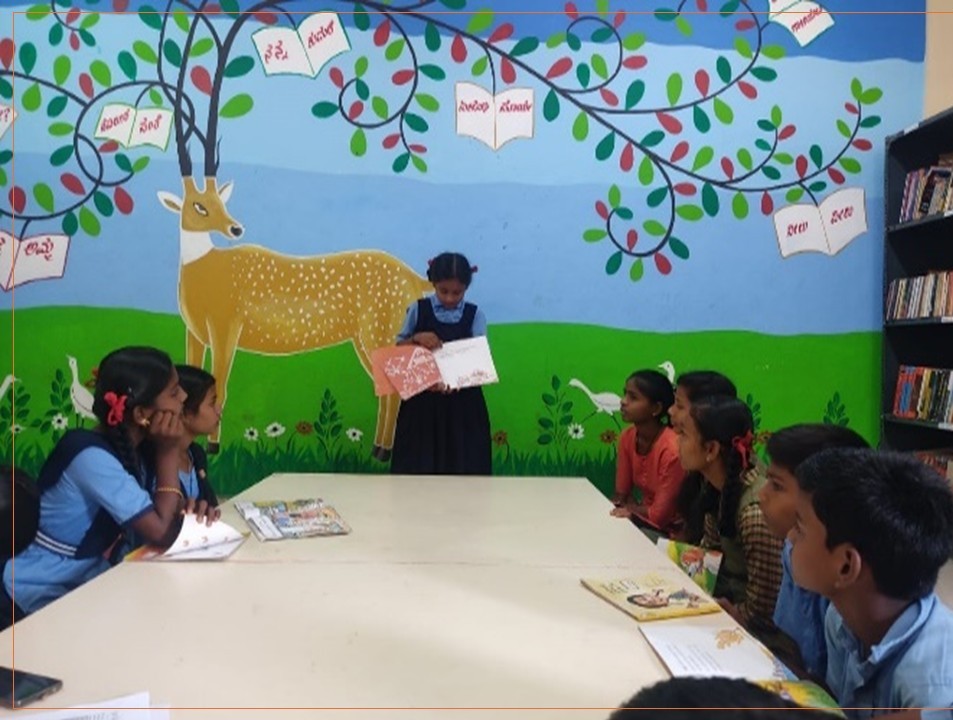
This programme aims to improve the reading skills, general knowledge and fluency of students in Grades 4 to 7. Forty of the schools are a part of the intensive approach, with dedicated library spaces with specially trained facilitators while the remaining sixty are under the extensive approach, where the library period is integrated to school timetable and sessions are carried out by schoolteachers.

Kanya Sampoorna
Kanya Sampoorna is a holistic programme aimed at empowering the girl child at every stage of development. The programme facilitates to improve their growth, development and overall quality of life. We have integrated interventions specifically designed for the benefit of the girl child from Early Childhood Development to Skill Development.
Expansion of Education Programs in
Karnataka & Tamil Nadu
Kalike expanded the school education intervention to Koppal District, Karnataka covering 420 schools (across Koppal and Kushtagi blocks), reaching over 56,000 children
Education intervention expanded to Cuddalore and Tiruvannamalai Districts, Tamil Nadu covering 259 schools, reaching over 41,300 children
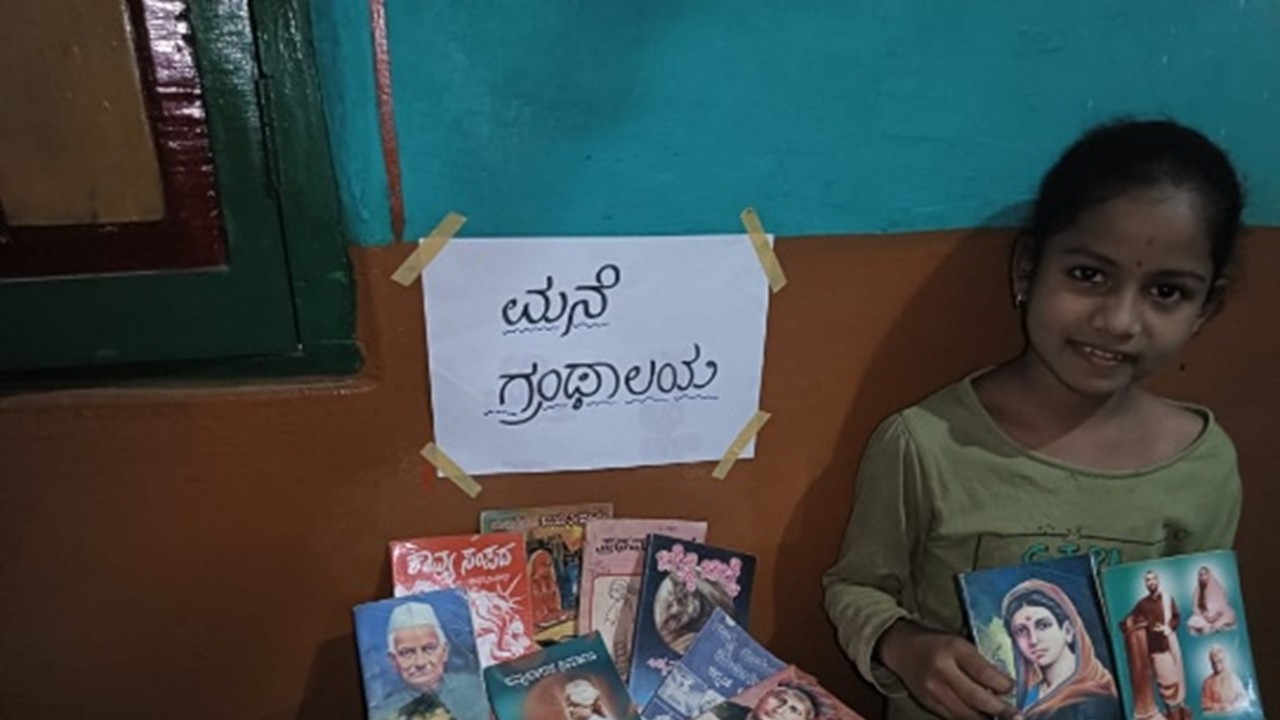
Through these efforts and promoting home libraries – we aim to create joyful learning environments and improve foundational skills at scale.
Kanya Sampoorna
Empowering the Girl Child through Education, Life Skills, and Holistic Development
The Kanya Sampoorna Program is a dedicated initiative focused on the holistic development of the girl child fostering equity and opportunity. Kanya Sampoorna Program is designed to transform the educational ecosystem for girl children through structured, scalable, and sustainable interventions—both within the classroom and beyond. The program is tailored to address region-specific gaps, combining grassroots engagement with systemic inputs to enable learning outcomes, personal development, and life preparedness.
Through a multi-phased approach, the project aims to enhance the education, skills, and overall well-being of girls, ensuring opportunity to thrive. The program focuses on improving early childhood education in anganwadi’s, school level education from grade 1 to 12, remedial support, career guidance, life skill education, menstrual hygiene & management, sports, etc.
41,000+ Girls
The successful hostel remedial programs were also recognized and expanded by the district administration, NITI Aayog.
Gram Panchayat Libraries
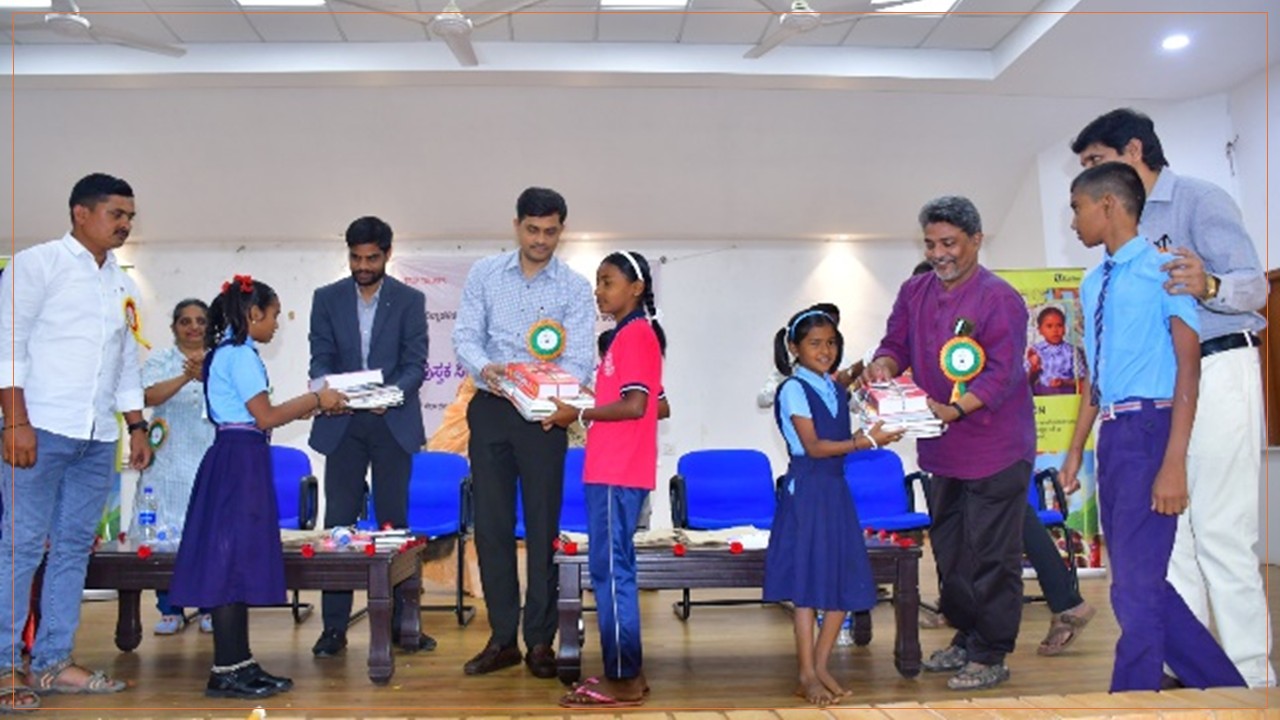
Kalike in collaboration with Rural Development and Panchayat Raj Department, undertaken an ambitious project to strengthen 227 Gram Panchayat libraries across Koppal and Yadgir districts, directly benefiting over 29,000 children.
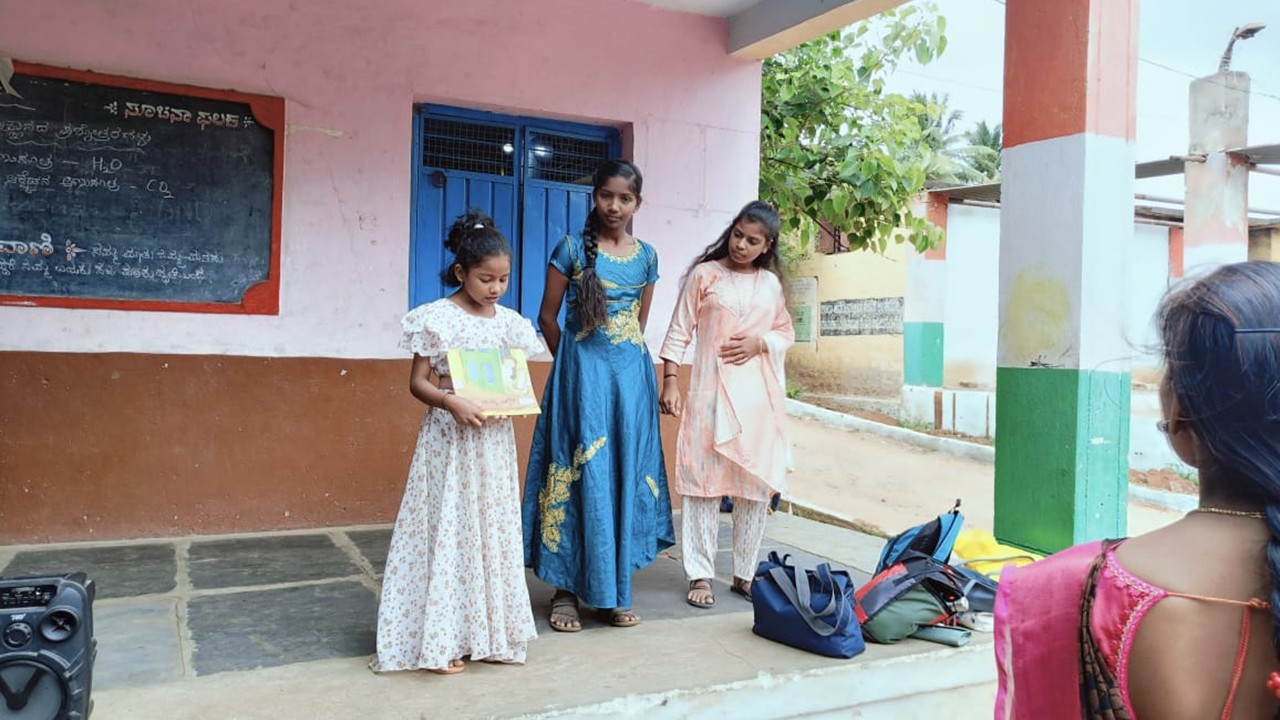
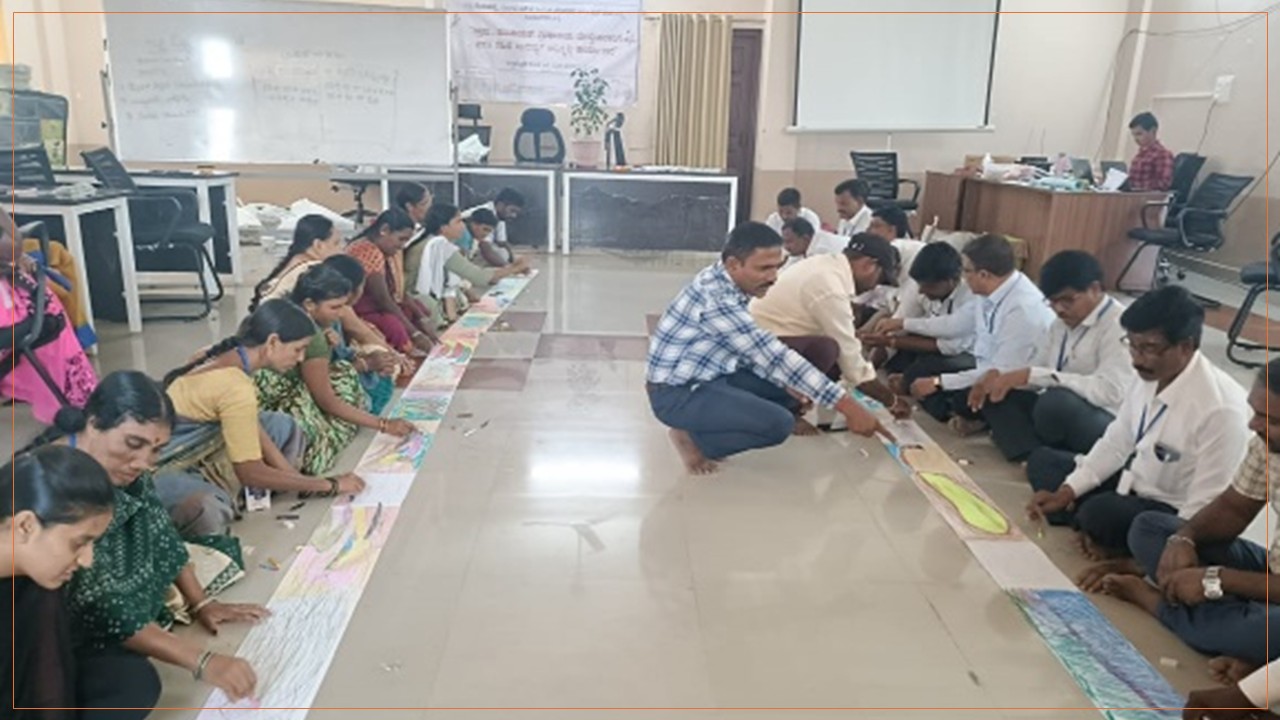
Best practices such as promoting home libraries and community-led events to deepen reading habits, upgrading infrastructure and book collections, with curated resources in Kannada, English, and Hindi, librarian training, mentoring & library management, storytelling, book talks, and creative engagement activities have contributed towards ensuring vibrant Gram Panchayat Libraries.

Impact of GP libraries
The GP libraries created a meaningful and sustainable reading culture among children, with hundreds of libraries operating consistently in two districts. These spaces have successfully attracted young readers, fostering regular engagement with books and encouraging borrowing habits. Through interactive activities like storytelling, read-aloud sessions, book hunts, and readers’ theatre, the libraries have made reading an enjoyable and enriching experience. Strong community involvement has been key to their success, with parents, teachers, and local leaders actively participating in events and awareness sessions, further strengthening the connection between literacy and community development.